

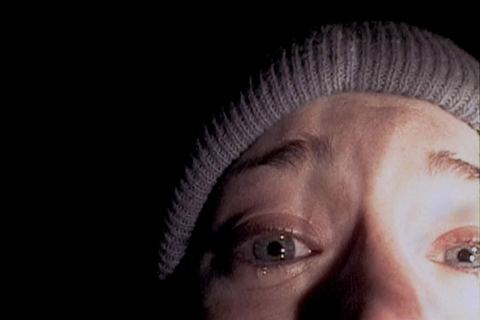
The all-time indie sensation: made for $35,000 in the woods of Burkittsville, Md., and bought at Sundance by Artisan Entertainment for $1.1 million, this horror mockumentary grossed $140 million domestic, another $108 million foreign. Throw in the video revenue and you have something like a 10,000-to-one return on the original investment. All for a movie made guerrilla-style in eight days and nights with three actors who invented their own dialogue, shared the fears of the audience (since they didn’t know much of what was going on) and shot the point-of-view footage themselves. (One actor was given a High-8 video camera bought at Circuit City. After the shooting, directors Daniel Myrick and Eduardo Sanchez returned it and got a refund.) But viewers don’t pay for a movie’s budget; they pay for its thrills. And this Blair Witch gave them by withholding standard horror gotchas. Tweaking Mies van der Rohe’s dictum into “Less is morbid,” it made viewers collaborate actively in both the scenario and the scariness. The film also emblemized the vagaries of indie stardom, when the out-of-nowhere directors quickly slipped back into anonymity.
[youtube=http://www.youtube.com/watch?v=D51QgOHrCj0]