

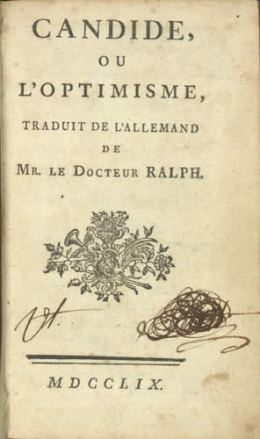
This classic French satire lampoons all things sacred: armies, churches, philosophers, even the doctrine of optimism itself. In search of “the best of all possible worlds,” Voltaire’s ever hopeful protagonist instead encounters the worst tragedies life has to offer and proceeds to describe each in a rapid, meticulous and matter-of-fact way. The effect is equal parts hilarious and shocking. (Imagine Monty Python circa 1759.) The book’s phrase “Let us eat the Jesuit. Let us eat him up!” became an instant catchphrase. The Great Council of Geneva and the administrators of Paris banned it shortly after its release, although 30,000 copies sold within a year, making it a best seller. In 1930, U.S. Customs seized Harvard-bound copies of the book, and in 1944, the U.S. post office demanded that Candide be dropped from the catalog for major retailer Concord Books.