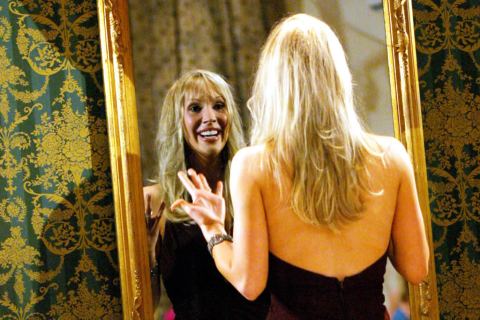
The Swan / Extreme Makeover

Most people remember Fox’s 2004 show The Swan as the show that took the fable of the ugly duckling and corrupted it irreparably. With plastic surgery and cosmetic work, the producers of the show argued, any woman could become a swan. (Guess there were no potential male swans out there.) Contestants agreed to subject their bodies and neuroses to the surgeon’s knife; a few of the former “ugly ducklings” were then selected to go on to a swan pageant where only one could become theswan.
But that show wasn’t the first of its kind. It’s easy to forget NBC’s Extreme Makeover, which premiered in 2002. That’s partly because when most people think of that title, they automatically think of its much more successful and marginally more ennobling spin-off, Extreme Makeover: Home Edition, a tearjerker home-remodeling show hosted by Ty Pennington in which needy families get their homes revamped Pimp My Ride–style. The roots of Home Edition, however, lie in a much uglier past full of not only tears and emotion, but also scalpels, liposuction and Botox. Extreme Makeover may not have gone so far as to pit women with already-low self-esteem against one another, but it did open the floodgates for plastic-surgery shows on television. As one USA Today reporter put it, referring to Fox’s venture: “With each new reality atrocity, it begins to look like 24 and its rare ilk exist to supply the critical cover that lets the network do what it really wants: The Swan. And that’s just ugly.”
Temptation Island

“If we’re putting this kind of thing on TV as a form of entertainment,” a Parents Television Council executive declared of Temptation Island, “we might as well throw Christians to the lions.” Easy, pal. There was plenty to like about this unconscionably vapid program, in which four couples embarked on journeys of personal exploration and self-loathing amid the sun-kissed beaches and lush vistas of an Eden so sleazy it could only have been created by Fox. Sure, the notion of a show specifically engineered to highlight the downsides of monogamy was “disgusting and appalling,” as critics pointed out. But it was also high comedy, so long as viewers remembered that the star-crossed lovers voluntarily jumped at the chance to ruin their long-term relationships for a free trip to Belize and some priceless exposure. Temptation Island was visually stunning — think washboard abs, swaying palms, shimmering sarongs — and packed with wonderfully inane declarations about the perils of love (“We’ve never had a fight … monotony has set in”). The contestants strayed, they reconciled, they choked out tear-soaked confessions that somehow never ruined their makeup. “By no means will I defend it as noble entertainment,” admitted the show’s host, Mark L. Walberg. While the show succumbed to low ratings in the U.S. after two seasons, it has demonstrated remarkable staying power abroad — a fact Americans may want to highlight the next time some snooty foreigner maligns U.S. tastes.


