The album may be dead, but it's certainly not forgotten. TIME's critics have chosen the 100 greatest and most influential musical compilations since 1954.
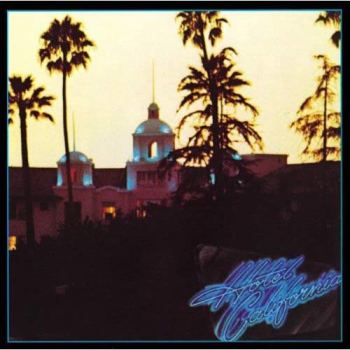
Henley, Frey and co. spent most of the nation’s bicentennial year locked in a studio making a record about the nation on the verge of its bicentennial. Decadence was their major topos, and they wanted to reference drugs and innocence lost and lots of other stuff, though, like much of their catalog, Hotel California seems a lot smarter when you listen to it than when you talk about it. “Life in the Fast Lane” drew a line between the band’s country-tinged past and rock and roll future, but the big hit was the title track, a sprawling epic with Satanic undertones that might have been subconsciously cribbed from Jethro Tull’s “We Used to Know” when the bands toured together. As for the warm smell of colitas, fans are split on whether the word is Spanish slang for cannabis buds or an easy lay. Given the band and the era, the safest guess is both.
Al Green was hands-down the dominant soul singer of the Seventies, and his run of albums, especially in the first half of the decade, was so consistently strong that it’s hard to pick a favorite. I’m Still In Love With You has the back-to-back perfection of “Love and Happiness” and “I’m Glad You’re Mine.” Let’s Stay Together has, well, “Let’s Stay Together.” But top to bottom, Call Me is the one to beat, with the effortlessly sexy title song and the devastating “Here I Am (Come and Take Me).” Covers of songs by Hank Williams and Willie Nelson seal Green’s linking of Memphis and Nashville traditions. And the closing song, “Jesus is Waiting,” turned out to be the bridge to Green’s future in the pulpit.
Sue me, but I like Betty Draper/Francis as a character. The problem is that Mad Men doesn’t. Betty’s not the worst character on the show, but she’s probably the worst-served.