The album may be dead, but it's certainly not forgotten. TIME's critics have chosen the 100 greatest and most influential musical compilations since 1954.
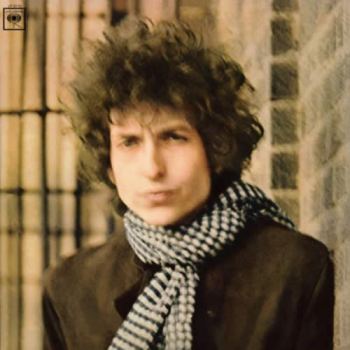
In 1965 and 1966, Bob Dylan went on a creative sprint that has never been matched. Over the course of fourteen months, Dylan recorded Bringing It All Back Home and Highway 61 Revisited — and then capped it off with Blonde on Blonde, rock’s first significant double album. Cut in Nashville with an ace team of studio musicians (and, for the first time, Robbie Robertson as Dylan’s lead guitar foil), the album had a tense, shimmering tone that Dylan described as a “thin, wild mercury sound.” Though unfortunately it opens with the tiresome one-liner “Rainy Day Women #12 and 35″ (universally known as “Everybody Must Get Stoned”), after that the Blonde on Blonde reaches some of Dylan’s greatest heights — which is to say, the very pinnacle of rock.
All of the original Beach Boys sang on Pet Sounds, but from the very beginning this was Brian Wilson’s autocratic attempt to recreate the noises in his head. Laying the groundwork for the Beatles’ Sgt. Pepper’s Lonely Hearts Club Band a year later, Wilson plundered orchestra pits for new instruments and obsessed over the layering of what may be the most perfect harmonies in rock history. At the time of its release, Pet Sounds was a commercial disappointment, largely because it broke from the unadulterated chirpiness of the Beach Boys’ early work. “Wouldn’t It Be Nice” and “God Only Knows” teeter on the edge between adolescent euphoria and adult lament, while “I Just Wasn’t Made For These Times” provided what was to become Wilson’s defining lyric: “Sometimes I feel very sad.”
Sue me, but I like Betty Draper/Francis as a character. The problem is that Mad Men doesn’t. Betty’s not the worst character on the show, but she’s probably the worst-served.