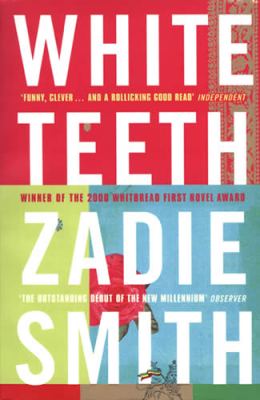
This may be the first novel ever written that truly feels at home in our borderless, globalized, intermarried, post-colonial age, populated by “children with first and last names on a direct collision course.” Published when Smith was just 24, White Teeth follows the friendship of two Londoners, a pub-going working-class bloke named Archie and a Muslim from Bangladesh named Samad. Archie marries a Jamaican; Samad has twin sons, one of whom becomes a religious militant, the other a rabid Anglophile. The overlapping fates of Smith’s characters seem to trace the new structures of 21st-century life and test their sturdiness as framework for peace and happiness. Both deeply Dickensian and playfully post-modern, White Teeth doesn’t quail before the rampantly ramifying novelistic complexities of a multicultural world. It revels in them.
In Charlotte Bronte’s Jane Eyre, Bertha is the madwoman locked in the attic by her husband Rochester, the simmering Englishman whose children Jane has been hired to tutor. In Bronte’s novel we learn little about Bertha other than that she’s a monster who must be bound with rope, a white woman from the Caribbean whom Rochester was long ago pressured into marrying for her money. But Rhys, who grew up in the French Caribbean colony of Dominica, presses on the silences in Bronte to give Bertha her own story. Caliban does not become Ariel here, but Rhys turns a menacing cipher into a grieving, plausible young woman, and one whose story says whole worlds about global mixtures, about the misunderstandings between the colonized, the colonizers and the people who can’t easily say which they are.
Hannah comes home to East Lansing and visits the netherland between college and full-fledged, independent adulthood, in an outstanding episode co-written by Judd Apatow.