

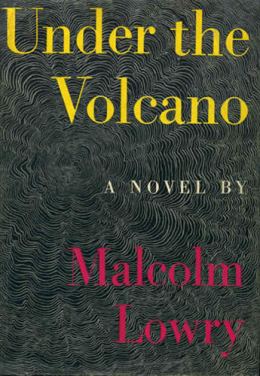
To describe his perennial theme, Lowry once borrowed the words of the critic Edmund Wilson: “the forces in man which cause him to be terrified of himself.” You see exactly what he means in this coruscating novel, which traces the last 24 hours in the life of Geoffrey Firmin, once the British consul in a hellish Mexican town, now a dedicated but utterly cogent alcoholic in that same town, on a day when his ex-wife has returned in a futile attempt to reach out to him. Shadowed by the hoodlums of the corrupt local officialdom, beset by his own furies, Firmin hurtles himself, annotating his fall all the while, into a pit of suffering. A vertiginous picture of self-destruction, seen through the eyes of a man still lucid enough to report to us all the harrowing particulars.