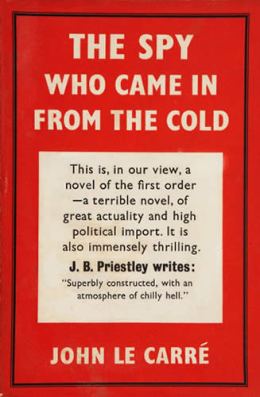
No one wears a tuxedo in le Carre’s spy novels. His agents are middle-aged, disappointed, disillusioned men in stained overcoats. In The Spy Who Came In from the Cold a worn-out English spy named Alec Leamas undertakes a terrifying mission in the hope that it will be his last: He pretends to defect to East Germany, the better to infiltrate the enemy’s espionage network. Written from personal experience (le Carre — real name David Cornwell — did a hitch in MI6) with pitiless, elegant clarity, The Spy Who Came In from the Cold is a first-rate thriller and more: a sad, sympathetic portrait of a man who has lived by lies and subterfuge for so long, he’s forgotten how to tell the truth.
Meet Jake Barnes: working journalist, expatriate, tough talker, tragic hero. Jake was horribly wounded in the war — in fact, he was effectively gelded — so he spends his time in Paris getting drunk in cafes, nursing his ennui, bantering with his hard-boiled friends, and mooning over his unconsummatable love for a beautiful, aristocratic Englishwoman named Bret Ashley who dines on men three meals a day. This doomed pair, plus a lively cast of romantically reckless expatriates, head to Pamplona for the annual fiesta, where they drink vast amounts of wine, hook up, betray one another, and try to forget the caverns of loss and emptiness that gape inside them. The Sun Also Rises popularized the idea of the “Lost Generation”—but the anomie and disappointment at its heart seem to come around for every generation, sooner or later.