

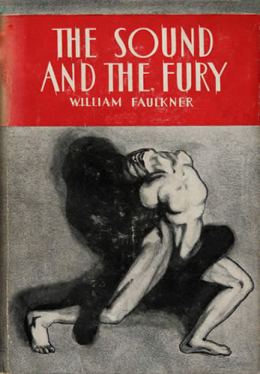
Flannery O’Connor’s nickname for Faulkner was “the Dixie Limited.” She didn’t mean it entirely kindly: His huge talent and towering ambition made him a literary freight train that other southern writers were often forced to dodge. Both qualities are on full display in The Sound and the Fury, which describes the bitter, incestuous dealings of a Mississippi family fallen on hard times. A formal and stylistic tour de force (in other words, a tough but profoundly rewarding read), the book unfolds in four sections, centered in turn on each of the three Compson brothers — Benjy, a mentally disabled man; Quentin, a depressed, neurotic Harvard student; and Jason, an avaricious jerk — as well as on a black servant named Dilsey. All the brothers are obsessed with the dishonored Caddy, the slutty Compson sister, and with the family honor (and the family fortune) that the Compsons have frittered away. From these ruined fragments and damaged spare parts Faulkner builds a brutally moving epic of love, lust and endurance.