

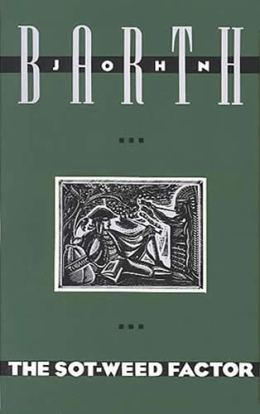
A feast. Dense, funny, endlessly inventive (and, OK, yes, long-winded) this satire of the 18th-century picaresque novel—think Fielding’s Tom Jones or Sterne’s Tristram Shandy —is also an earnest picture of the pitfalls awaiting innocence as it makes its unsteady way in the world. It’s the late 17th century and Ebenezer Cooke is a poet, dutiful son and determined virgin who travels from England to Maryland to take possession of his father’s tobacco (or “sot weed”) plantation. He is also eventually given to believe that he has been commissioned by the third Lord Baltimore to write an epic poem, The Marylandiad. But things are not always what they seem. Actually, things are almost never what they seem. Not since Candide has a steadfast soul witnessed so many strange scenes or faced so many perils. Pirates, Indians, shrewd prostitutes, armed insurrectionists — Cooke endures them all, plus assaults on his virginity from both women and men. Barth’s language is impossibly rich, a wickedly funny take on old English rhetoric and American self-appraisals. For good measure he throws in stories within stories, including the funniest retelling of the Pocahontas tale —revealed to us in the “secret” journals of Capt. John Smith — that anyone has ever dared to tell.