

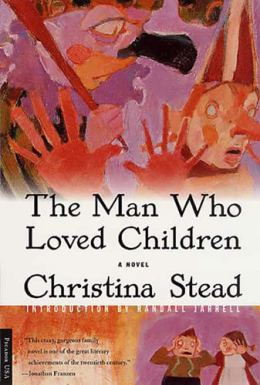
Though it was first published in 1940, it wasn’t until a reissue 25 years later that Stead’s novel was recognized for the masterpiece it is — the greatest picture ever of the lousiest family of all time. Sam Pollit is an exhausting monstrosity of a husband and father, not always cruel, but always self-regarding — “Sam the Bold” is his name for himself — and self-deluding. (He’s anything but bold.) His wife Henny, the one he barely speaks to, is nervous, self-pitying and neurotic, the kind of mother who steals from her children’s piggy banks, diverts herself with a half-witted boyfriend and devolves into a sniffling hag. Their children, six of them, are appalled witnesses to the spectacle of their parents’ collapse and the helpless recipients of their toxic attentions. Stead, an Australian with a wonderful style, both headlong and sturdy, is fearless in her depiction of the Pollits and more compassionate in her judgments than you or I could ever be. When you know how heavily this novel was based upon her own childhood, that compassion seems even more remarkable.