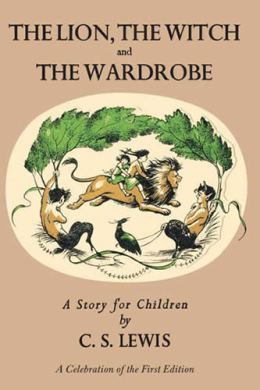
Four English children playing hide-and-seek accidentally wander through an enchanted wardrobe and into Narnia, a land locked in a deep magical winter by the spells of an evil witch—queen. Only the fierce, benevolent lion Aslan (with a little help from the children) can vanquish the tyrant and bring summer back to Narnia and the talking animals who live there. Lewis was a Christian philosopher, and The Lion, the Witch and the Wardrobe (and the six more Narnia novels that followed) can be read as Christian morality tales, but they’re not just kid stuff: Lewis had a surprisingly sharp eye for the dark shades of the human soul, sin and anger and temptation, and readers of any faith, or none at all, will feel the enormous power of Lewis’s irresistible, transporting sense of wonder.
It had a troubled birth; Nabokov almost burned the manuscript of Lolita halfway through and its first publisher was a French pornographic press. But Lolita would go on to become a huge best-seller and the unlikeliest of American classics. Our hero, who goes by the self-mocking name of Humbert Humbert, is a pedophile. He is a highly cultured, endearingly ironic man, and he loathes himself about as much as a human being can, but he loves, and can only love, nubile young girls, whom he calls “nymphets.” Lolita is the story of Humbert’s romance — if that’s the word, which it isn’t—with a 12-year-old girl named Dolores Haze. Their story is as vile and obscene as one can imagine, but Humbert’s voice, an endlessly inventive stream of angry, cosmopolitan invective, elevates it to the level of a tragic, twisted epic.
Sue me, but I like Betty Draper/Francis as a character. The problem is that Mad Men doesn’t. Betty’s not the worst character on the show, but she’s probably the worst-served.