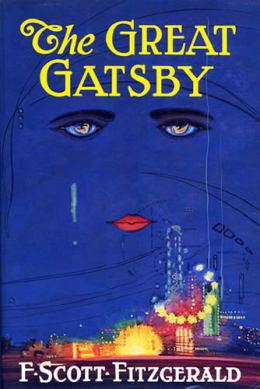
No one gives better parties than Jazz Age zillionaire Jay Gatsby. No one has a bigger house or a bigger pool, or drives a longer, sleeker, more opulent automobile. His silk shirts alone—”shirts with stripes and scrolls and plaids in coral and apple green and lavender and faint orange with monograms of Indian blue”–can and do reduce women to tears. But who is he? Where does he come from, where did he make his megabucks, and why—his sober, straight-arrow neighbor (and narrator) Nick wonders—does he stand on his dock at night and stretch out his arms to a green light shining across the bay from his magnificent mansion? The Great Gatsby lays bare the empty, tragic heart of the self-made man. It’s not only a page-turner and a heartbreaker, it’s one of the most quintessentially American novels ever written.
Devoted to his wife, Brenda, his son, John Andrew, and to Hetton, his very ugly neo-Gothic homestead, Tony Last will lose all three. As his name is always announcing, Last lives at the end of a dying age, the brittle, exhausted 1930s, when England, at least Waugh’s England, is a place where Brenda can throw herself at the feet of a childish lover and where Last can discard his life on an absurd caprice. Waugh’s own marriage was disintegrating when he wrote this, and his unhappiness led him into wider realms of feeling — pathos, rage — than any you find in his earlier triumphs of nasty wit, Decline and Fall and Vile Bodies. Sound dreary? Not even slightly. If this is Waugh at his bleakest it’s also Waugh at his deepest, most poisonously funny.
In light of the Material Girl performing at Super Bowl XLVI, TIME takes a look at her life and career, both of which have been lived firmly in the public eye.