

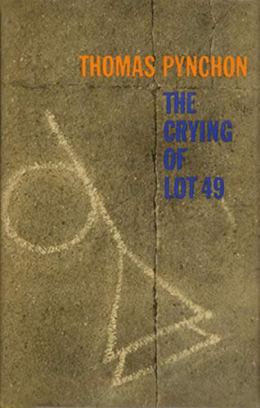
Summoned to serve as executor for the will of her ultra-rich former lover, Oedipa Maas is led into the mystery of Trystero, a shadowy band of, of — of what exactly? They have operated for centuries, connecting the dispossesed, the discontented and the strung out by way of their secret underground postal system, a network that may also serve other ends. As she wanders through California in the mid-1960’s, trying to unravel their secret, Oedipa senses for the first time a larger, weirder universe of the disinherited, a scampering, fugitive reality just beneath the placid surface of what she thinks she knows. With its slapstick paranoia and its heartbreaking metaphysical soliloquies, Lot 49 takes place in the tragicomic universe that is instantly recognizable as Pynchon-land. Is it also a mystery novel? Absolutely, so long as you remember that the mystery here is the one at the heart of everything.