

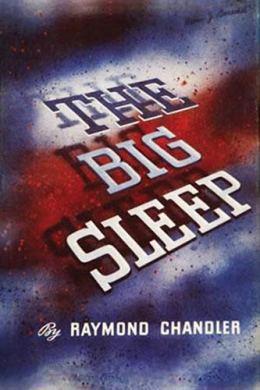
“I was neat, clean, shaved and sober, and I didn’t care who knew it. I was everything the well-dressed private detective ought to be.” This sentence, from the first paragraph of The Big Sleep, marks the last time you can be fully confident that you know what’s going on. The first novel by Raymond Chandler, who at the time was a 51-year-old former oil company executive, is a mosaic of shadows, a dark tracery of forking paths. Along them wanders Philip Marlowe, a cynical, perfectly hard-boiled private investigator hired by an old millionaire to find the husband of his beautiful, bitchy wildcat daughter. Marlowe is tough and determined, and he does his best to be a good guy, but there are no true heroes in Chandler’s sun-baked, godforsaken Los Angeles, and every plot turn reveals how truly twisted the human heart is.