

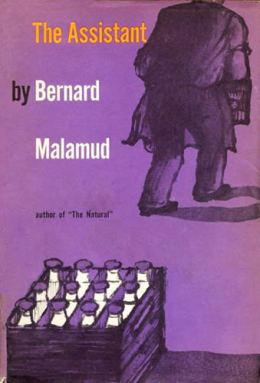
Malamud was a writer who always had one eye fixed on the eternal and one on the here and now. The eternal was the realm of moral quandaries. The here and now was usually a world of struggling 20th-century Jews. It was his genius to show the two constantly intersecting. In this book, his masterpiece, Morris Bober is a woebegone neighborhood grocer whose modest store is failing and whose luck actually takes a turn for the worse when he is held up by masked hoodlums. Or is it worse? When a stranger appears and offers to work without pay, “for the experience”, it doesn’t take long for the reader to realize that the stranger is one of the men who robbed Bober. But just what are his motives in returning? He seems to be seeking to atone, but he soon begins quietly robbing the till, while also falling in love with Bober’s daughter, theft of a different kind. From this intricate material Malamud builds a devastating meditation upon suffering, penance and forgiveness, and the ways in which the weight of the world can be lifted, just a little, by determined acts of grace.