

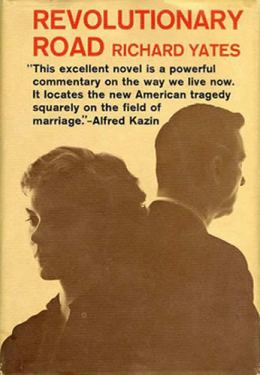
We think of Updike and Cheever as the masters of postwar American suburbia, of its sunlit euphorias and its drunken discontents. Add Yates to the master list, just subtract the euphorias. His great novel is a bitterly funny and bitterly unfunny account of lethal disappointment in the Connecticut suburbs in 1955. When they were single and in love, Frank and April Wheeler thought of themselves as different—smarter, hipper, more alive. Then comes marriage and the steamroller of daily existence — his job for a big company, her wife-and-motherhood. The rewards of the material life seem like small compensation for the daily blows to the ego, which eventually detonate their lives. This may sound like a common predicament, but Yates gives it uncommon force. Though none of his six other novels enjoys the enduring prestige of this one, it doesn’t matter. If Revolutionary Road doesn’t make him an immortal, immortality isn’t worth having.