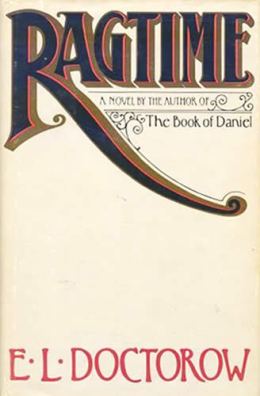
Doctorow’s fever dream of the American past remade the historical novel. In a story spanning the first decades of the 20th century, three groups of fictional characters — a white middle-class family, a family of Jewish immigrants, and an African-American couple — lead lives entwined with one another and with some of the great public figures of the day, including Harry Houdini, Emma Goldman, Henry Ford and Sigmund Freud. The presiding concerns and undertakings of the decades that would follow — technology, race, power — all announce themselves and are tied by Doctorow into narrative configurations so odd, yet so oddly persuasive in their dream logic, you laugh out loud, at least until the ultimate tragedy unfolds. The interaction of real and fictional characters wasn’t new in itself, but with this pulsing, delightful book, Doctorow made it feel that way.
You approach this immense book wondering whether you should have done a week of roadwork and calisthenics to get ready for it, and not just because of its more than 900-page length. Gaddis’ ferocious discontent with the world as he finds it and his daunting erudition make for a demanding read, but also a hugely rewarding one. Wyatt Gwyon is a forger. In the service of a crooked art dealer he expertly counterfeits Early Renaissance masterpieces. He longs to live in a more authentic time, one unlike his world of simulations, substitutes, impostures and pale resemblances. What Wyatt wants in every realm of life is the true antecedent, and he struggles across three decades and three continents in search of it. This is a serious book, but it’s also the highest of high comedies, full of outraged wit. It took decades for The Recognitions to be recognized as the masterpiece it is and as a book that inaugurated the great age of black humor in American fiction that would come into its own in the 1960′s with Pynchon, Vonnegut and Roth.
The Grammys honored Houston in the awards themselves, which showcased forceful women who had dominated the year in music, and reminded us of her TV influence as American Idol’s diva ideal.
From Nicki Minaj’s Red Riding Hood getup to Katy Perry’s head-to-toe blue ensemble, TIME rounds up some of the best (and worst!) sartorial choices at the annual music awards show.