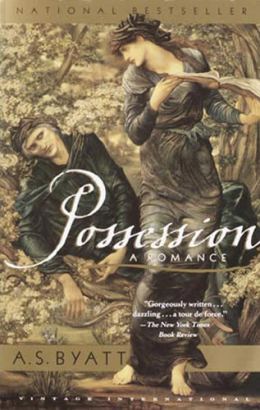
Academics were sexy long before Sophie and Robert from The Da Vinci Code. Roland is a beleaguered graduate student laboring in the British Library. Our heroine, Maud, is an icy, repressed professor at a provincial English university. By chance they jointly stumble on a cache of hot-blooded love letters by a famous (albeit fictional) Victorian poet named Randolph Ash. Their discovery lights the fuses on both a literary mystery and their own slow-burning romance, which Byatt adroitly braids together with the story of Ash’s love affair. An intricate novel, laced with poems and letters, Possession has the narrative structure of a thriller, but Byatt uses that narrative engine for her own, more sophisticated purposes: a moving exploration of the hidden wellsprings of love and art.
Another of Greene’s intricate moral landscapes, where corrupt characters might still be capable of goodness and virtuous ones indulge their virtues murderously. The central figure is a “whisky priest,” on the run in Mexico in the 1930′s, during years when the Catholic Church was being suppressed by the Mexican government. The priest, never named, is being pursued by an unnamed police lieutenant, a ruthless idealist who will not hesitate to take hostages from every village where the fugitive priest might stop and shoot them if the priest’s visit is not reported. Guilt-ridden, always craving alcohol — at one point he downs the communion wine — the priest manages all the same to carry out his duties on the road and to perform small acts of grace, even the ones that seal his fate. Those did not turn out to be enough for the Vatican. Thirteen years after this book was published, the Church condemned it and insisted that Greene make changes. A sincere Catholic but also a dextrous operator, he replied that the copyright belonged to his publishers.
In light of the Material Girl performing at Super Bowl XLVI, TIME takes a look at her life and career, both of which have been lived firmly in the public eye.