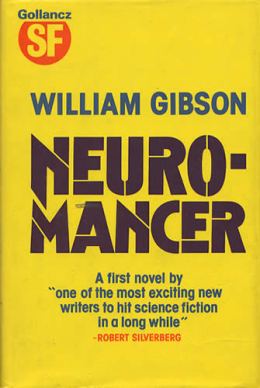
There is no way to overstate how radical Gibson’s first and best novel was when it first appeared. He combined a shattered, neon-chased, postmodern cityscape — its inhabitants rendered demi-human by designer drugs, tattoos and rampant surgical body modifications — with his vision of a three-dimensional virtual landscape created by networked computers, through which bad-ass bandit hackers roam like high plains drifters. When one such hacker, Case, gets banned from this “cyberspace” — Gibson was among the first to use the word — he’ll do anything to get back in, including embarking on a near-suicidal cyber-assault on an all but unhackable artificial intelligence. Violent, visceral and visionary (there’s no other word for it), Neuromancer proved, not for the first or last time, that science fiction is more than a mass-market paperback genre, it’s a crucial tool by which an age shaped by and obsessed with technology can understand itself.
Kathy, Tommy and Ruth are students at Hailsham, a very exclusive, very strange English private school. They are treated well in every respect, but as they grow older they come to realize that there is a secret that haunts their lives: Their teachers regard them with fear and pity, and they don’t know why. Once they learn the secret it is already far, far too late for them to save themselves. Set in a darkling alternate-universe version of England, and told with dry-eyed, white-knuckled restraint, Never Let Me Go is an improbable masterpiece, a science fiction horror story written as high tragedy by a master literary stylist. It’s postmodern in its conception, but Ishiguro isn’t playing games or chasing trends: The human drama of Never Let Me Go, its themes of atrocity and acceptance, are timeless and, sadly, permanent.
Sue me, but I like Betty Draper/Francis as a character. The problem is that Mad Men doesn’t. Betty’s not the worst character on the show, but she’s probably the worst-served.