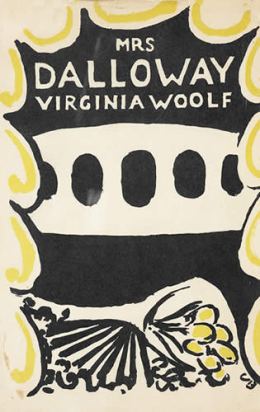
Clarissa Dalloway is the kind of woman you would pass on the street without a thought, or would if you lived in London in 1923: middle-aged, upper-middle-class, well-married and well-fed. But Woolf draws aside the veil of her placid exterior to reveal the dreams, fears, foibles, passion and pain that swirl endlessly just beneath it. Mrs. Dalloway follows Clarissa through the course of a single day, and as she goes about her errands, preparing for a party she’s giving that night, we drift and rock on the ebb and flow of her lost love for an old flame who resurfaces unexpectedly; her never-consummated lesbian longing for a childhood friend; and her endless yearning for some firm sense of what, in the swirling detritus and ephemera that make up daily life, is true and good and permanent.
An heir to the Burroughs adding machine fortune, Burroughs the novelist hated the despots of Squaresville and the whole world where money makes its fist. This is his greatest book and the template for all the ones that followed. With its fractured account of junkies and assorted urban desperadoes, its fang-baring humor and its sudden excursions into sheer hallucination, it instantly made him the depraved scoutmaster for generations of would-be hipsters. He once said, “My purpose in writing has always been to express human potentials and purposes relevant to the Space Age” — by which he meant addiction and willful extremity, both of which of course have turned out to be virtues in the modern market economy. Like Jean Genet, Burroughs trafficks in the utmost degradations, but he doesn’t go to them looking for unsuspected sources of radiance. He likes them for what they are. His conversations in hell with the Marquis de Sade must be very entertaining.