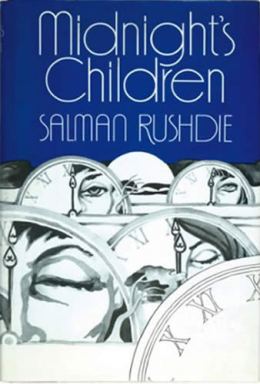
Rushdie’s version of The Prince and the Pauper becomes a cartwheeling parable about the fate of modern India. At the stroke of midnight on August 15, 1947, the date on which India proclaimed itself independent from Great Britain, 1,001 children are born with supernatural powers. Two are switched at birth, the illegitimate son of a poor Hindu woman and the offspring of wealthy Muslims. Rushdie follows them through 30 years of partition, violence and Indira Gandhi’s iron-fisted rule. The personal is the political here with a vengeance, as history becomes farce, becomes legend becomes memory becomes history again.
John Self, the extravagantly wretched man at the heart of this wonderfully funny book, is no ordinary pig. A slave to his countless vices, a monster of lustrous indulgence, he’s the kind of sleazeball who puts the id back in idiot. Naturally, he’s in the movie business. To be precise, he’s a director of TV commercials who is making his first feature while perfecting his gift for self-destruction. (And, by the way, offering what is frequently an astute take on this profane world of ours.) Self’s spectacular lusts, his raw craving for money, sex and stimulants, his low cunning, his sheer, bewitching awfulness—somehow it all makes him perfectly irresistible.
Sue me, but I like Betty Draper/Francis as a character. The problem is that Mad Men doesn’t. Betty’s not the worst character on the show, but she’s probably the worst-served.