

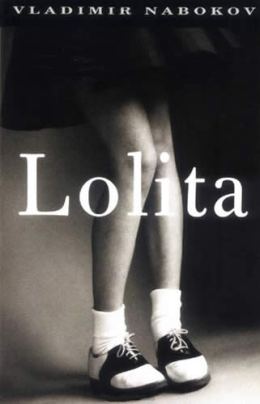
It had a troubled birth; Nabokov almost burned the manuscript of Lolita halfway through and its first publisher was a French pornographic press. But Lolita would go on to become a huge best-seller and the unlikeliest of American classics. Our hero, who goes by the self-mocking name of Humbert Humbert, is a pedophile. He is a highly cultured, endearingly ironic man, and he loathes himself about as much as a human being can, but he loves, and can only love, nubile young girls, whom he calls “nymphets.” Lolita is the story of Humbert’s romance — if that’s the word, which it isn’t—with a 12-year-old girl named Dolores Haze. Their story is as vile and obscene as one can imagine, but Humbert’s voice, an endlessly inventive stream of angry, cosmopolitan invective, elevates it to the level of a tragic, twisted epic.