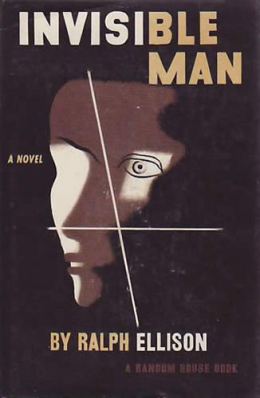
A nameless young black man wends a tortuous path from a southern town — where a local white men’s club mockingly awards him a scholarship to a black college — to the streets of New York City, where everybody, black and white, left and right, man and woman, seems to have their own ideas about who he is and what purpose he can serve. Evenhandedly exposing the hypocrisies and stereotypes of all comers, Invisible Man is far more than a race novel, or even a bildungsroman. It’s the quintessential American picaresque of the 20th century.
This book, Faulkner’s grave meditation on race, violence and all the fraught legacies of the South, is the first in which he confronted head-on the poisons of racism. Joe Christmas believes himself to be of mixed race. (His parentage is uncertain.) He has escaped from a miserable childhood to the town of Jefferson, Miss., where he unleashes his demons. Lena Grove has come there, too, looking for the father of the child she is carrying while Christmas fulfills his wretched destiny. This book is less daring structurally than The Sound and the Fury or As I Lay Dying. Though time still folds back on itself, so that events seem to take place in a zone beyond normal chronology, the flashbacks are easier to follow. But the force of Faulkner’s genius is in entirely in play.
Sue me, but I like Betty Draper/Francis as a character. The problem is that Mad Men doesn’t. Betty’s not the worst character on the show, but she’s probably the worst-served.