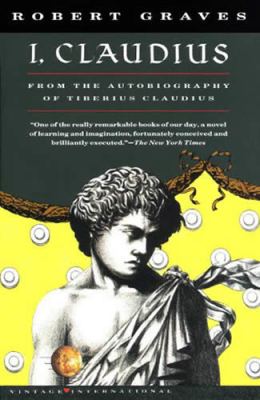
Though he briefly became emperor, Claudius, the limping, stuttering grandson of Caesar Augustus, is not your usual Roman on a pedestal. Sly, even bitchy, an appalled observer of his treacherous times — in his voice you hear the worldliness of classical literature with none of its marble officialdom. A member of a ruthless and murderous imperial family, he survives because he seems to all around him the least consequential twig of the family tree. But Claudius bears enduring witness to a moment when the virtues of the Roman republic, which has already been disposed of by the time he begins his tale, are being lost to the bloodlusts and hubris of the Roman empire.
The title is a sly wink at the book’s massive girth—it’s 1,000-plus pages in most editions—but the reference to Hamlet is well-earned; moreover, it’s a damn funny book. The action takes place in Boston at two separate but curiously similar venues—an elite tennis academy and a drug rehabilitation facility—in a near future in which calendar years are available for corporate sponsorship (the Year of the Trial Size Dove Bar, the Year of the Depend Adult Undergarment, and so on). The plot of Infinite Jest—which revolves around, among other things, a lost, unwatchably beautiful art film and a conspiracy among wheelchair-bound Quebecois secessionists—is decidedly secondary to the painfully funny dialogue and Wallace’s endlessly rich ruminations and speculations on addiction, entertainment, art, life and, of course, tennis.