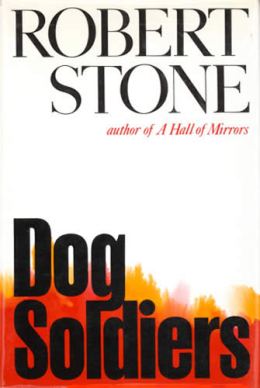
A weird current pulses through this book. The tale of a heroin deal gone very bad, it’s also a merciless picture of America at the ragged end of the Vietnam era. John Converse is a journalist preparing to head home from Saigon when he’s persuaded to join a dope-smuggling scheme. Once back in California, he’s ambushed by a pair of ex-cons in the service of a corrupt federal drug agent who wants to pocket the drugs. The hapless goons, who also indulge in occasional sex with each other, drag Converse on a trek across the Southwest in search of the strung-out intriguers who are actually holding the stuff. Those would be Converse’s wife Marge, who’s blandly stupefied by prescription drugs, and his sad-sack confederate Hicks. Do we need to tell you it all ends badly? Or that the heroin is a stand-in for Vietnam? It’s the poison that came home, like the war, to pollute an already bleak and sawtoothed social landscape. Bleakness is all in Stone’s world, which is unrelenting and unforgettable.
A story of suffering and redemption, told in Cheever’s fullest register. Ezekiel Farragut, university professor, family man, drug addict, is in Falconer State Prison for having killed his brother with a poker. In this shabby purgatory, he struggles with his memories, his guilt, and his need to remain human in a dehumanizing place, until an affair with a fellow prisoner reawakens his ability to love, even if the young man is a cynical operator and love is just another burden to bear. In some ways this book represented Cheever going far afield from the suburbs where he had made his name. (Not too far: Sing Sing was near his home in Ossining, N.Y. He had taught prisoners there in the early 70′s.) But Farragut is not so different from Cheever’s lawn-mowing householders. Yearning, wayward, beset by anger and need—he’s just a Cheever character in extremis. He suffers beautifully, but he suffers to a purpose. When he finds a rapprochement with the world, however tenuous, it speaks to the prisoner in us all.