

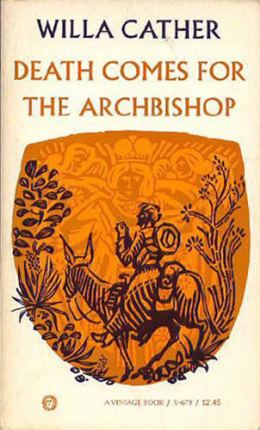
Cather at her most matter-of-fact and, as a consequence, her most powerful. She based this book on the life of Bishop Jean Baptiste L’Amy — she calls him Father Latour — the French-born Ohio cleric who was assigned by the church to rebuild the faith in New Mexico after the territory was annexed by the U.S. in 1831. With an old friend, Father Vaillant, Latour sets out for Santa Fe. He will find the church there to be fragmented and corrupt, with priests taking wives and charging exorbitant fees to perform marriages. Latour embarks on a decades-long effort to reform and reinvigorate the diocese. The style and structure of this book are strange, unemphatic, as if Cather had simply laid the scenes side by side in a tapestry. She compared the book to a legend, in which no event is given much dramatic weight. If this sounds like a formula for boredom, it’s not. Her serene language, with its immemorial simplicity, gives the story a weight mere drama could never provide.