

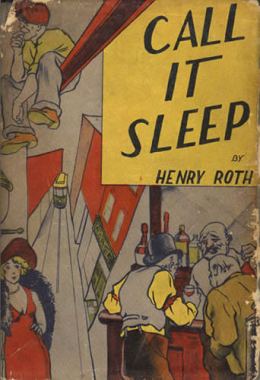
New York City, 1911. A young, painfully sensitive boy named David is growing up in the grimy Jewish slums of the Lower East Side, with his unemployable, rageoholic father and his angelic, nurturing mother. Call It Sleep has the setting of a gritty, naturalistic political novel—and it works perfectly well as such—but it is at heart a profoundly interior book. Roth tirelessly and unflinchingly records the daily damage that the harshness of slum life inflicts on David’s quiveringly receptive, emotionally defenseless consciousness; as a precise chronicler of minute impressions, and of the growth of an intellectually precocious mind, Roth’s only equal is James Joyce. After its publication in 1934 Call It Sleep sank from view for 30 years, before a new edition became a bestseller in the 1960’s. It will never be forgotten again.