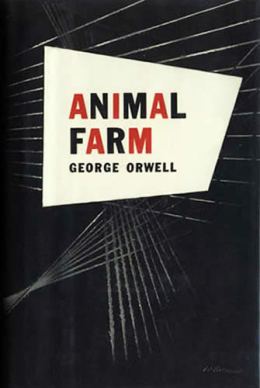
No writer has ever been more naked in his contempt for power, or more ruthless in his critique of those who abuse it, than the Englishman born Eric Blair, better known to the world as George Orwell. In Animal Farm he restages the hypocrisies of the Russian Revolution with the principal figures played by, of all things, farm animals. By presenting atrocities in the terms of a fairy tale, he makes them fresh, restoring to readers numbed by the 20th century’s parade of disasters a sense of shock and outrage. Paradoxically, by turning Trotsky and Lenin and their followers into pigs and horses and chickens, he reveals them as all too human.
O’Hara did for fictional Gibbsville, Pennsylvania, what Faulkner did for Yoknapatawpha County, Mississippi: surveyed its social life and drew its psychic outlines. But he did it in utterly worldly terms, without Faulkner’s taste for mythic inference or the basso profundo of his prose. Julian English is a man who squanders what fate gave him. He lives on the right side of the tracks, with a country club membership and a wife who loves him. His decline and fall, over the course of just 72 hours around Christmas, is a matter of too much spending, too much liquor and a couple of reckless gestures. (Now Julian, don’t throw that drink in the well-connected Irishman’s face. Don’t make that pass at the gangster’s mistress.) That his calamity is petty and preventable only makes it more powerful. In Faulkner the tragedies all seem to be taking place on Olympus, even when they’re happening among the lowlifes. In O’Hara they could be happening to you.
Sue me, but I like Betty Draper/Francis as a character. The problem is that Mad Men doesn’t. Betty’s not the worst character on the show, but she’s probably the worst-served.