

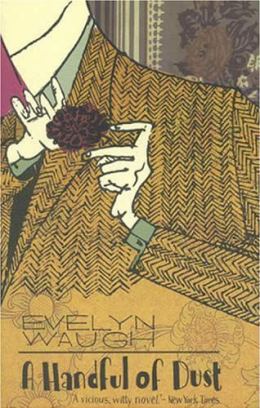
Devoted to his wife, Brenda, his son, John Andrew, and to Hetton, his very ugly neo-Gothic homestead, Tony Last will lose all three. As his name is always announcing, Last lives at the end of a dying age, the brittle, exhausted 1930s, when England, at least Waugh’s England, is a place where Brenda can throw herself at the feet of a childish lover and where Last can discard his life on an absurd caprice. Waugh’s own marriage was disintegrating when he wrote this, and his unhappiness led him into wider realms of feeling — pathos, rage — than any you find in his earlier triumphs of nasty wit, Decline and Fall and Vile Bodies. Sound dreary? Not even slightly. If this is Waugh at his bleakest it’s also Waugh at his deepest, most poisonously funny.